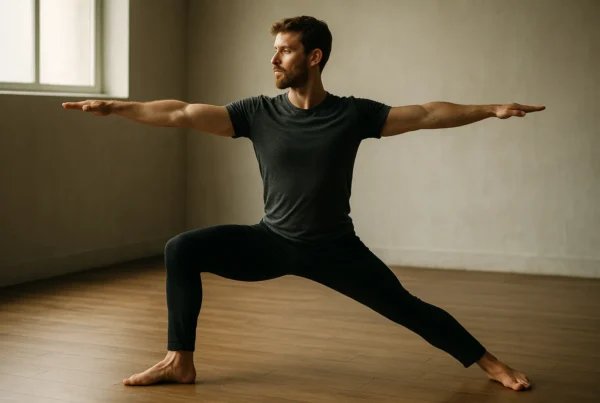

Mobility is the unsung hero of strength. Without it, you can be strong in one position but powerless in another. With it, every movement from a deep squat to a rotational lunge becomes smoother, safer, and more efficient.
During my years competing in HYROX, cycling endurance events, and functional training, I learned that mobility is what allows strength to be expressed. It’s the bridge between yoga and sport between structure and freedom.
What Mobility Really Means
Flexibility allows you to reach a position. Mobility means you can control that position.
For example, a flexible athlete might drop into a deep lunge but a mobile one can stabilise there, engage the glutes, and transition fluidly into the next movement. Mobility is active control through range, powered by strength and awareness.
“True mobility isn’t about stretching further it’s about moving better.”— Richard Branson, Functionalyoga.uk
In yoga terms, that’s the difference between collapsing into Pigeon Pose versus dynamically entering and exiting it with balance and intention.
Mobility as Strength in Motion
Functional yoga and mobility training work hand-in-hand. Every time you rotate, hinge, or squat under control, you’re teaching the nervous system to coordinate stability and motion.
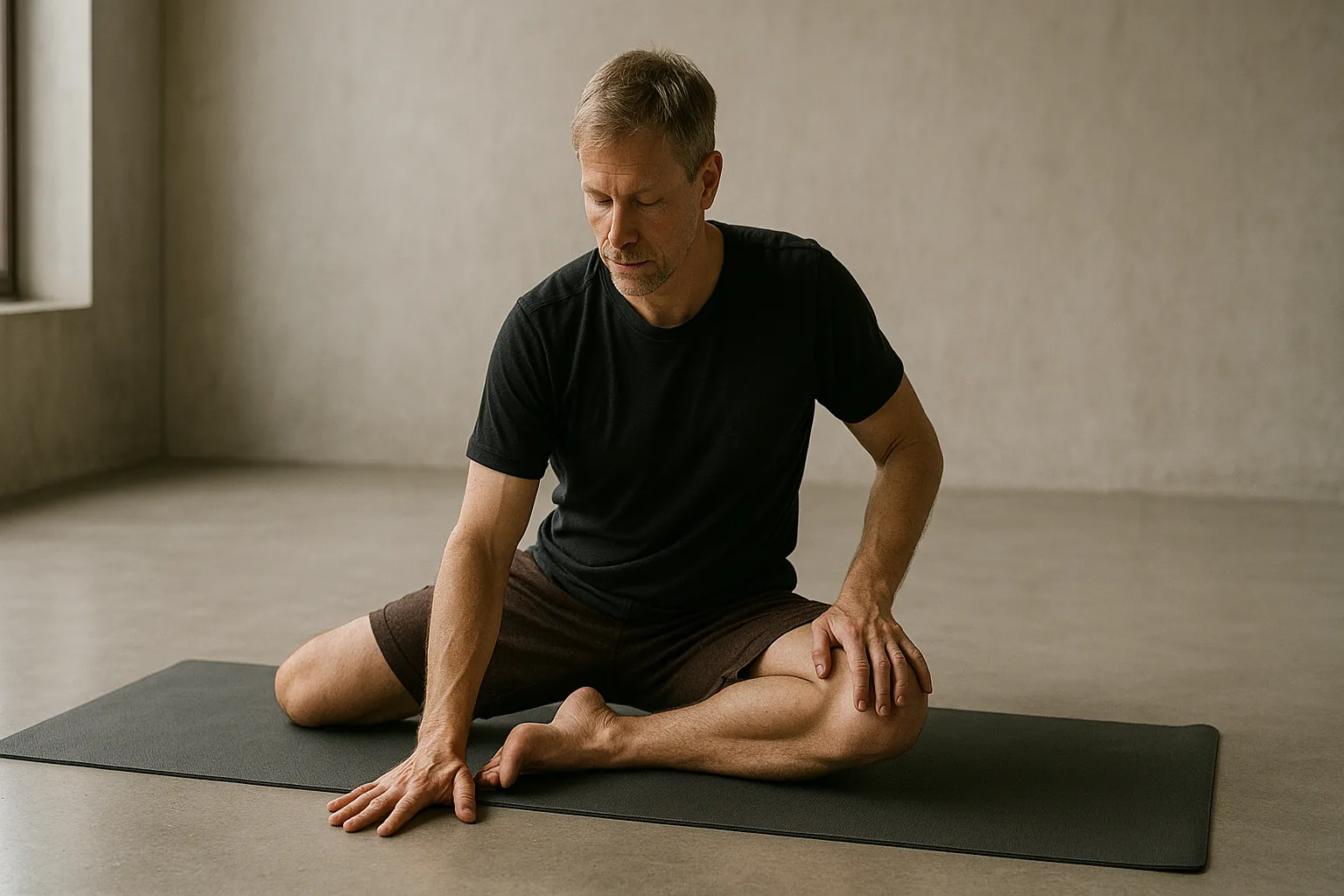
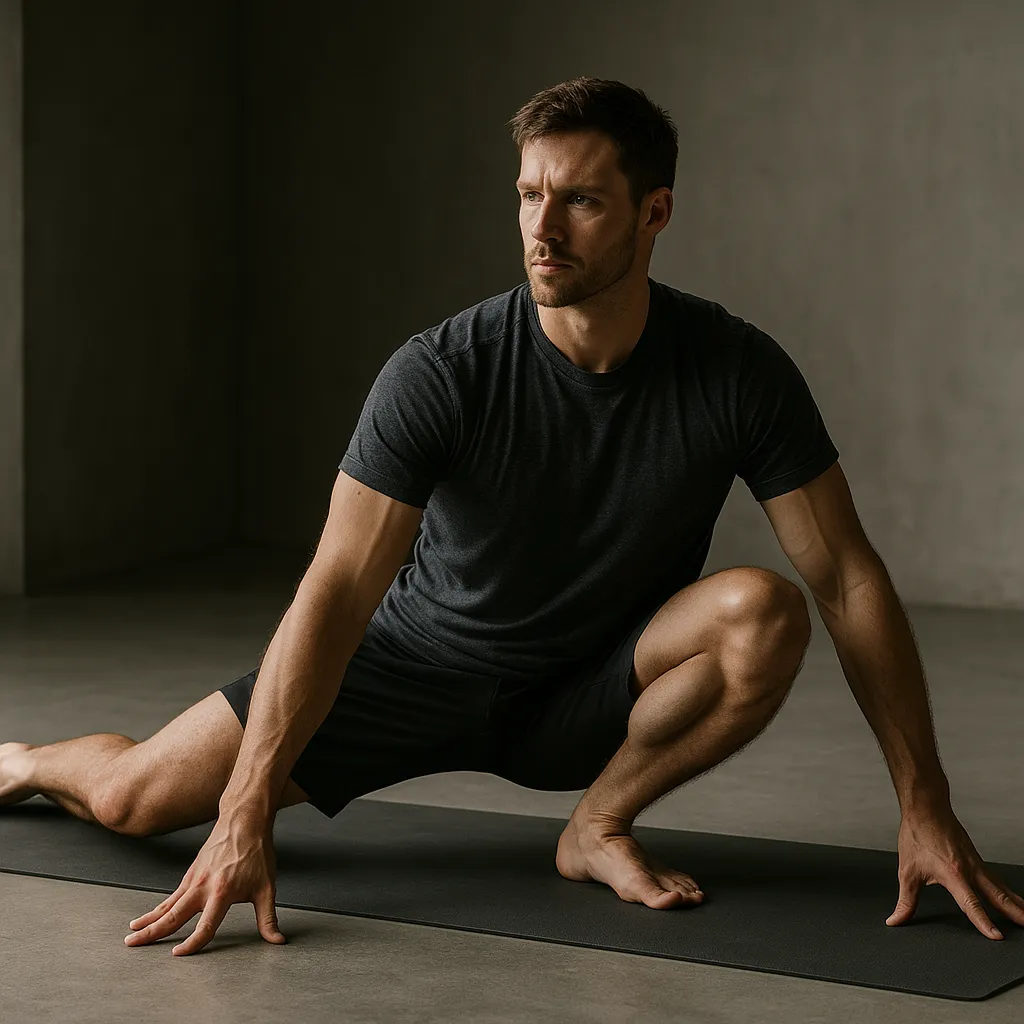
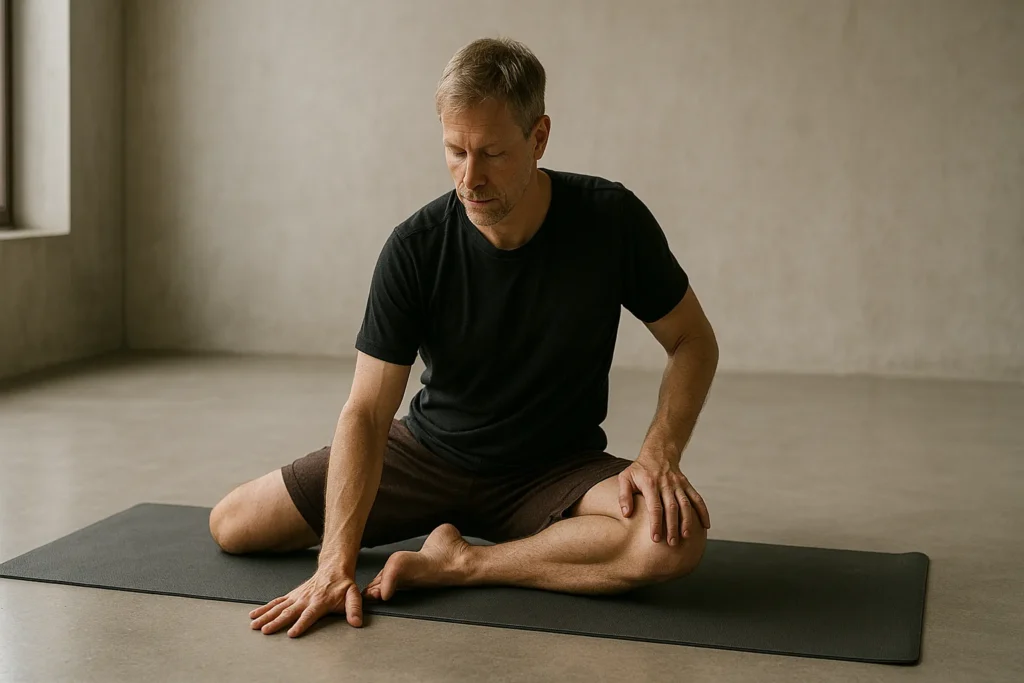
Movements like 90/90 hip flows, controlled spinal rotations, or Cossack squats develop dynamic strength teaching muscles to stabilise as joints move. Over time, that translates into better alignment, power, and longevity.
In my functional sessions, I use mobility flows not just for warm-up, but as active strength work. The key is to move slowly, breathe deeply, and resist gravity through the entire range. That’s where the magic happens.
Mobility and Injury Prevention
Most injuries occur not from weakness, but from lack of control in a specific range. Think of a runner’s tight hips or a cyclist’s limited thoracic rotation. These restrictions create compensations elsewhere often in the knees or lower back.
Yoga’s emphasis on awareness and breath allows us to identify these restrictions before they become limitations. Mobility training helps you restore balance to the movement chain stabilising joints and reducing unnecessary strain.
Building Mobility Into Your Routine
Try incorporating these mobility principles into your week:
- Before training: Dynamic mobility flow think cat-cows, lunges with rotations, or shoulder openers.
- During sessions: Move through full range under load slow tempo squats or deep split-stance presses.
- After training: Gentle yoga recovery to reinforce breath and relaxation.
Consistency is more valuable than intensity. Five minutes a day can transform how your body feels and performs.
The Long Game
Mobility isn’t a short-term project; it’s maintenance for the system that carries you through life.
Whether it’s yoga, HYROX, or cycling, every discipline benefits from more adaptable movement.
When you move freely, you don’t just perform better you feel better. The reward is a body that’s strong, aware, and responsive.
Internal Links:
External Links: