
The phrase functional movement gets used often, but its true meaning runs deeper than simply “training for life.” It’s about re-educating how the body moves rediscovering natural patterns of coordination, balance, and adaptability that modern life tends to dull.
When I first trained as a yoga and functional movement teacher under Mark Freeth, the shift from isolated muscle work to integrated movement systems completely changed how I saw strength. My background in Sport Science, NASM personal training, and endurance sports had always focused on performance metrics. Yoga taught me something different that movement quality drives performance longevity.
1. Movement Before Muscle
The first principle is simple: teach your body how to move before asking it to move more or lift heavier. That means rebuilding foundations squat, hinge, push, pull, rotate, and gait.
When these patterns are stable and symmetrical, strength and mobility come naturally.
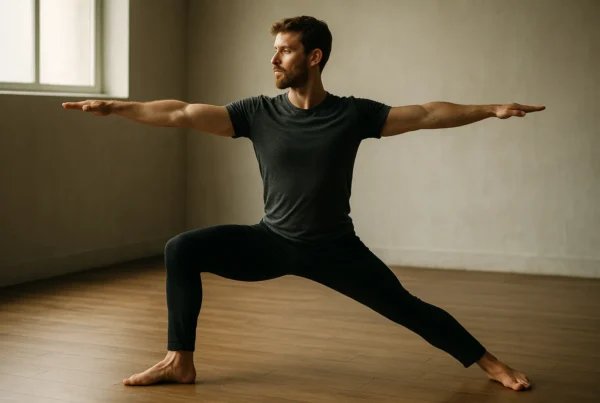
In yoga, this translates into postures that teach you to connect movement with breath and awareness think of Chair Pose (functional squat) or Down Dog to Plank transitions (shoulder stability and core control).
2. Integration Over Isolation
Traditional gym routines often isolate muscles; functional movement unites them. Every joint communicates — your feet talk to your hips, your hips talk to your spine.
“Strength is not found in a single muscle, but in how the whole system works together.”
— Richard Branson, Functionalyoga.uk
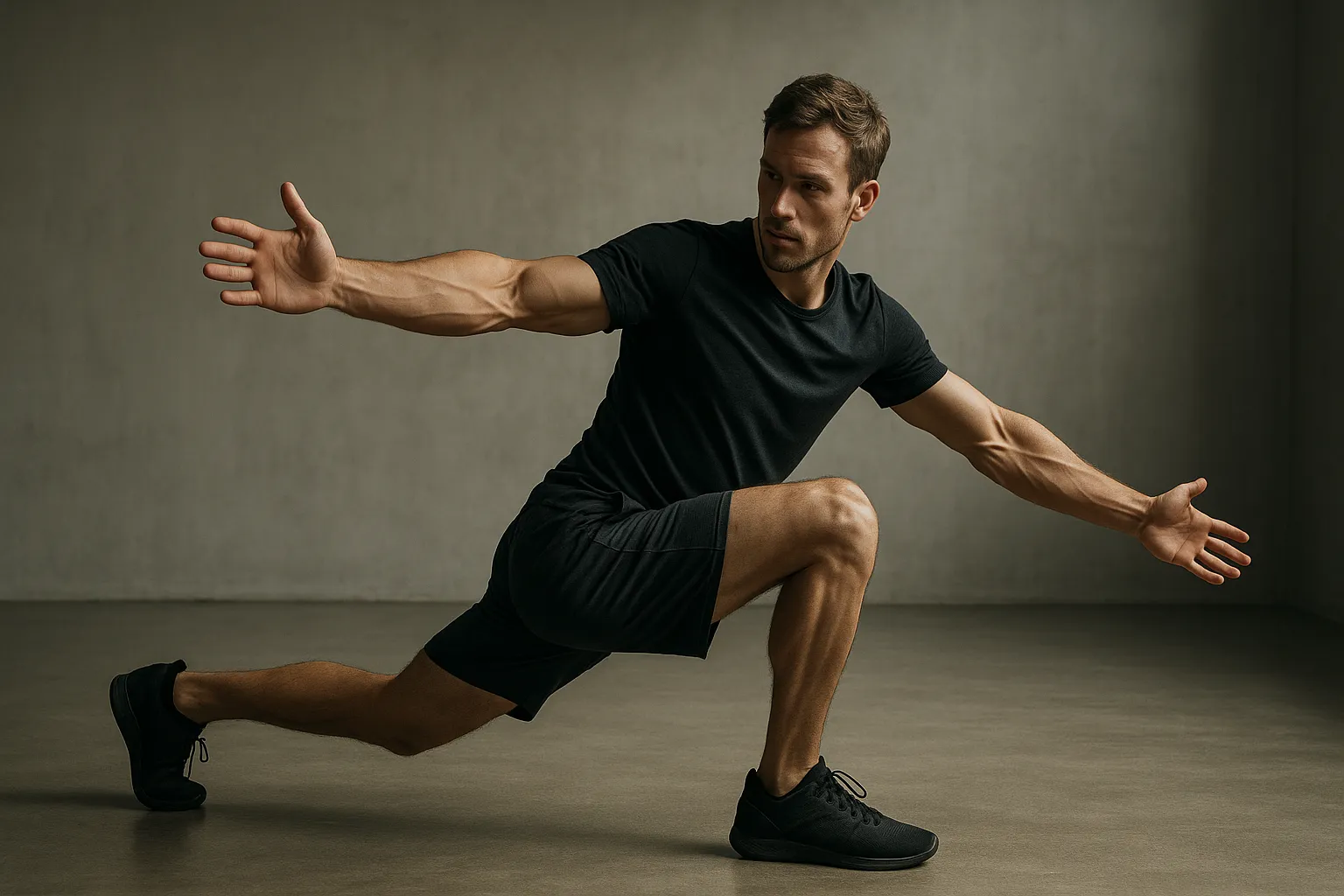
A rotational lunge or crawling pattern builds far more transferable strength than an isolated curl because it trains the chain, not just the link.
3. Stability Creates Strength
A stable foundation allows for power to flow efficiently. The stabilisers core, hips, and shoulders are the silent heroes of functional movement.
On the mat, that means paying attention to how you enter and exit a pose, not just holding it. Functional yoga teaches micro-control: rooting through the feet, engaging the core, aligning the breath.
This principle also explains why tools like the WallBallCounter.pro I later developed came from an obsession with measurable, repeatable movement quality data that reflects true stability and control.
4. Mobility Supports Longevity
Mobility is not flexibility it’s control through range. A mobile joint is a stable joint that moves with purpose.
Yoga and functional movement both train active control the ability to move into a stretch and own it.
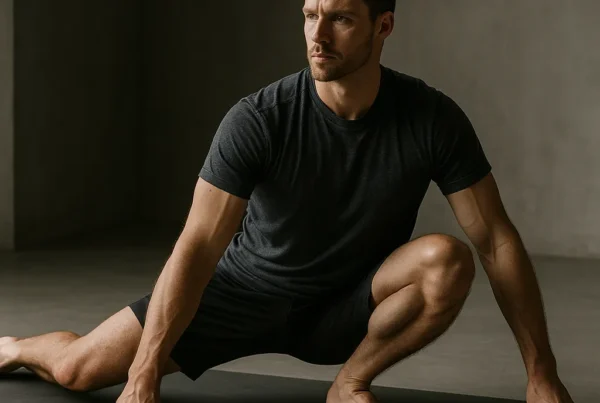
Try a 90/90 hip flow or standing spinal rotation. Move slowly, feel resistance, breathe through it. That’s where resilience is built.
5. Awareness Changes Everything
Ultimately, the body learns through feedback. When you train awareness proprioception, breath control, and rhythm you create sustainable progress.
The connection between mind and body isn’t abstract; it’s neurological. Every mindful repetition wires the brain for better movement patterns.
Functional movement doesn’t just make you stronger it makes you smarter in how you move.
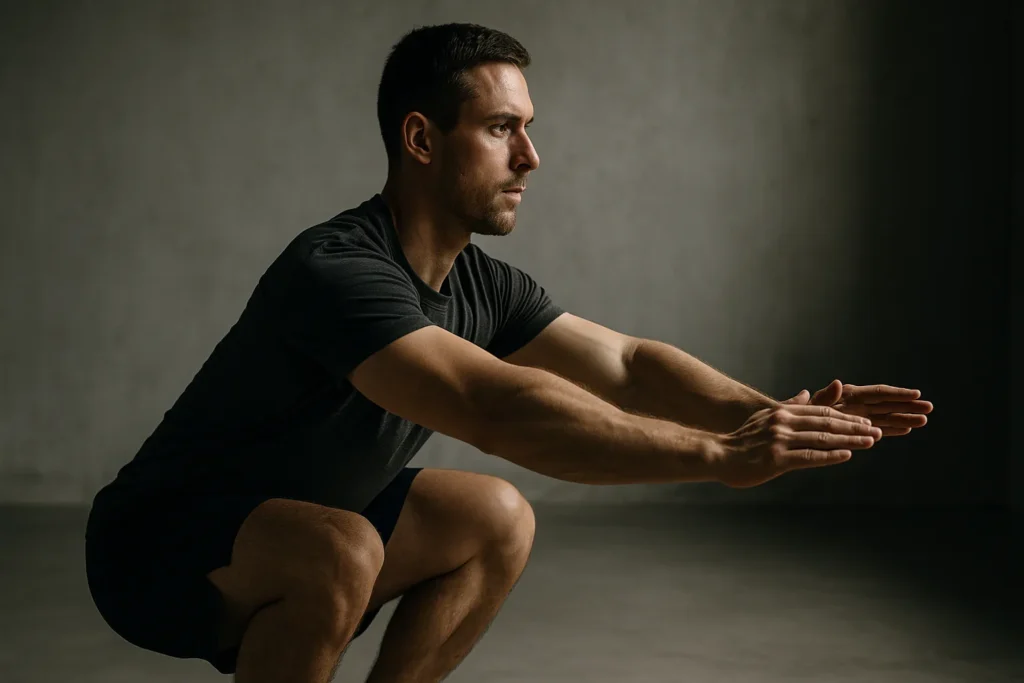
Close-up of athlete performing deep squat with neutral spine and arms extended forward, showing integrated movement chain. Cinematic lighting, minimalist studio background, 16:9 landscape.
Internal Links:
External Links: